
Kia recently introduced its 2015 Kia K900 luxury sedan, while Cadillac is trying to appease young people with its new logo. Both brands are facing uphill battles as they begin the early stages of re-branding themselves in the auto industry.
For example, Kia is known for selling economy cars ranging from $14,000-$25,000. Kia has now brought a $65,000 luxury sedan, the Kia K900, to the market. Here’s the Super Bowl commercial:
One of the biggest challenges Kia faces is getting traditional luxury shoppers to consider its brand in competition to the luxurious cars of BMW, Mercedes and Audi.
It’s not enough for a company to say it’s now in a different market segment. The company also must change consumer perceptions and experiences with the brand.
One way Kia may be able to do this is by promoting test drives and having consumers rate their experience either through their own channels (e.g. Facebook) or through Kia’s channels (e.g. collateral, commercials, etc.). The third-party endorsements could go a long way.
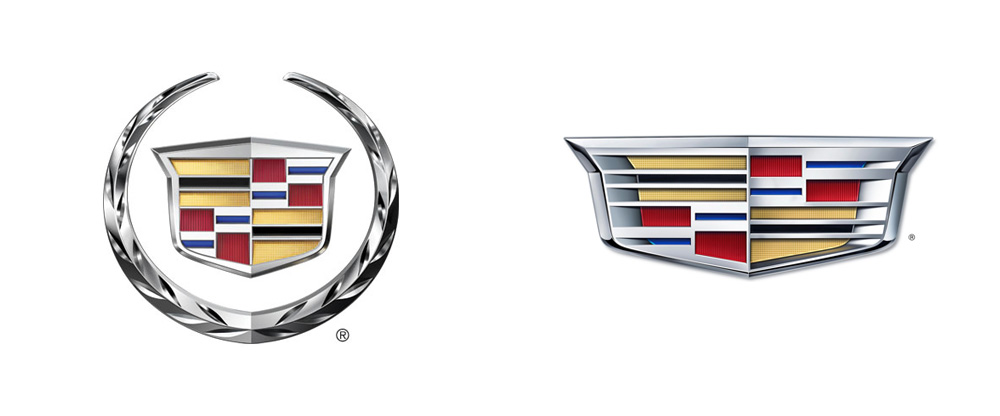
Meanwhile, Cadillac is taking a different approach in its campaign to re-brand its image. Rather than coming out with a new model to re-brand itself, Cadillac decided to come out with a new sleek logo (top right) to appeal to younger demographics.
The challenge that Cadillac faces is trying to no longer be recognized as a manufacturer of cars for older people; rather, to be thought of as a sleek car for younger crowds.
I think the logo is more appealing to a younger demographic and is a step forward, but Cadillac must do more in its re-branding efforts. For example, it’s going to have to appeal to early, influential adopters within YP crowds. It also may need to position itself as having cars with cutting-edge technology. Finally, it’s going to have to deal with its price points, which may be too high for younger drivers.
 Twitter is about creating conversations between people. In most industries, including AEC, conversations are often the result of sharing value with your connections.